Our Resources
The School for Synodality exists to embed synodal habits and practices in the life of the Church so that we can grow and journey together. This means making some of the key practices of synodality accessible and easy to try across our Catholic communities. We have a wealth of practical wisdom on listening and speaking graciously to one another, but have often forgotten it in our day to day community life. We hope these resources will help brush up your skills and give you the confidence to give it a go!
Recommended Resource: Women Theologians who attended the Synod on Synodality offer 9 essays for The Journal of Moral Theology
Our Resource: Be ‘called to the journey’ to reflect each week during Lent on key passages of the Final Synod Document
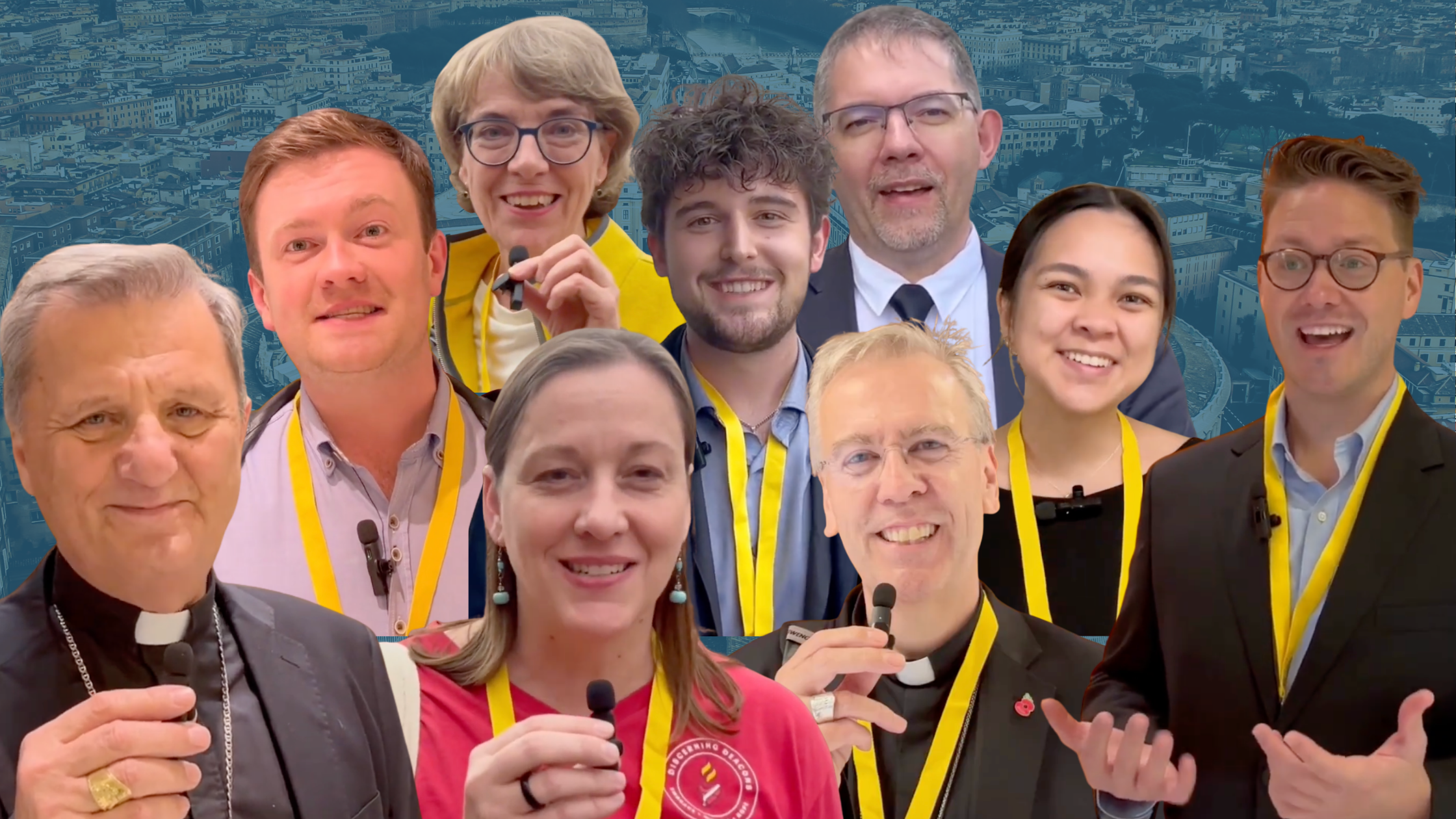
Our Resource: People from the Jubilee of Synodal Teams share what synodality means to them - showcasing a rich diversity of approaches that ultimately leads us to closer communion with Christ, and one another.
Resource Collection: As we move into the implementation stage of the synodal process, here are some key resources from the School for Synodality to help guide our understanding of the Final Synod Document.
Our Resource: Follow along as we reflect together on key passages from the Final Document from the XVI Assembly
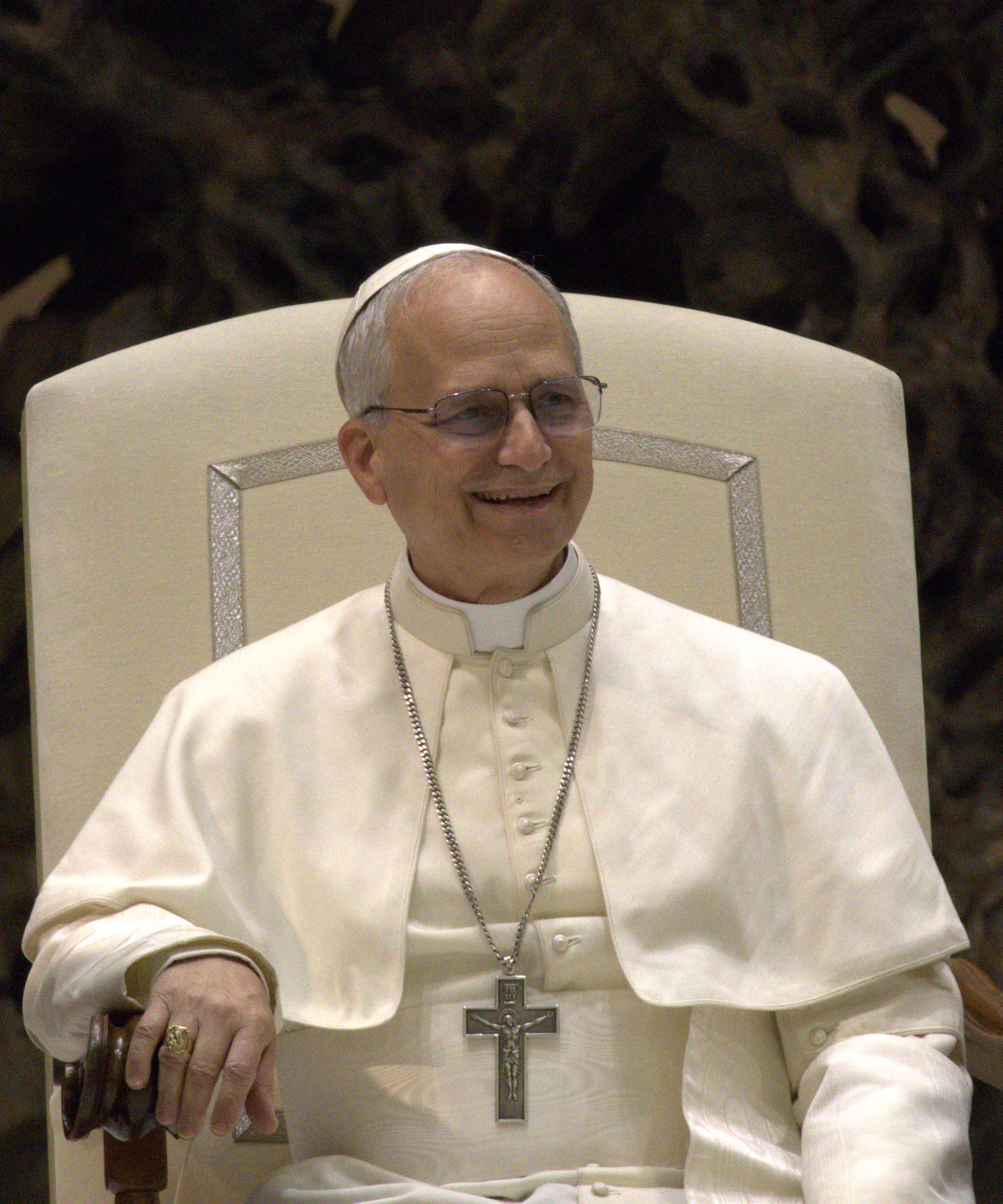
Recommended Resource: Pope Leo spoke of synodality in his homily for the Synodal Teams Jubilee mass on 26th October 2025.
Our Resource: Video recordings from our ‘Pathways’ event, including the sections from Bishop Brendan Leahy and Austen Ivereigh
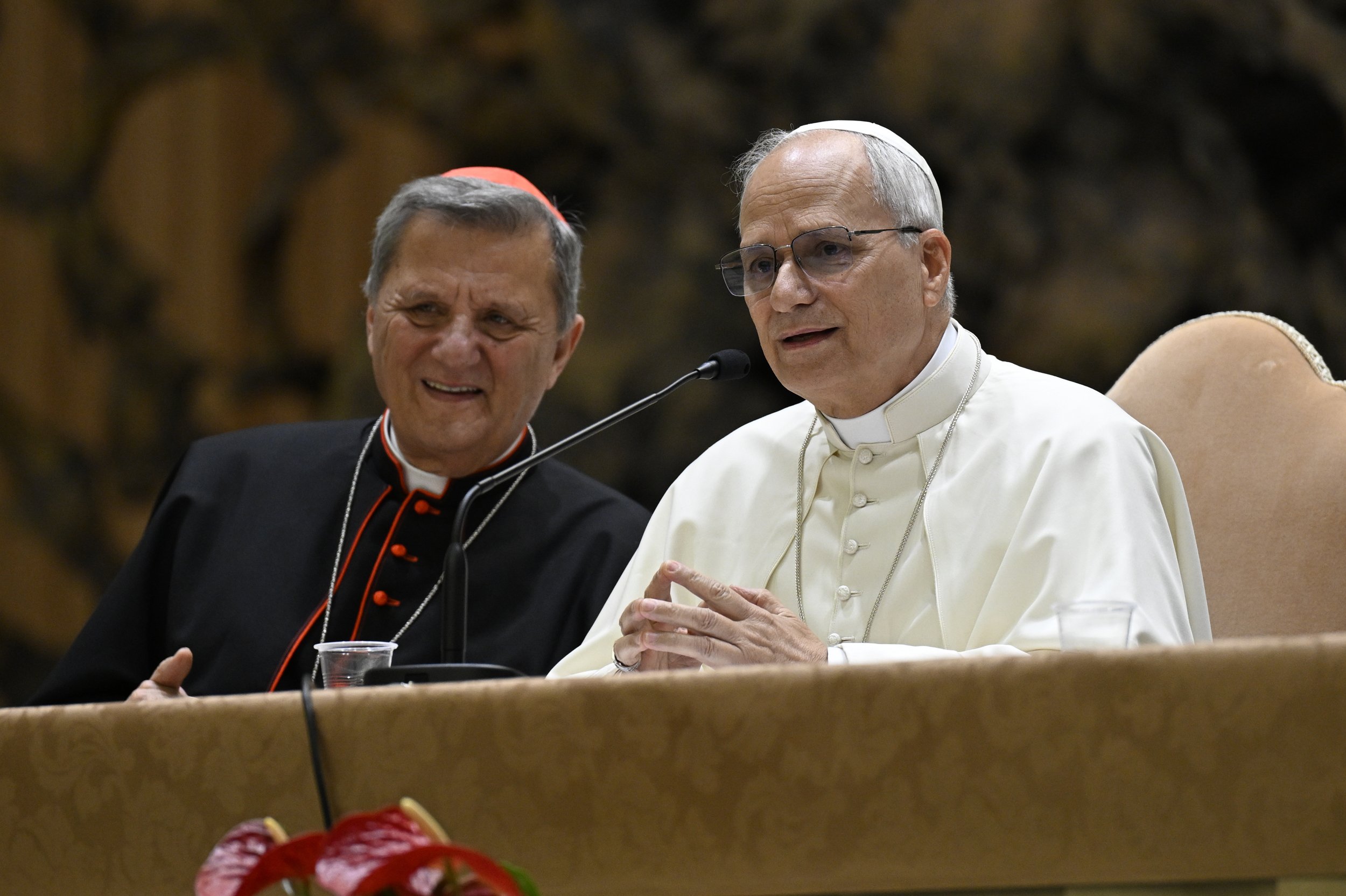
Recommended Resource: On 24th October 2025, Pope Leo engaged in a meeting-dialogue with participants of the Synodal Teams Jubilee, answering 7 key questions about synodality.
Our Resource: A Feast for All Peoples our new small group resource is aimed to support groups in exploring pathways to synodality through scripture, the Final Document and Conversations in the Spirit.
Our Resource: The School for Synodality’s book club in 2025 and webinars in 2023 are available to listen on Apple Music, Amazon podcasts, Spotify, Podbean, and iHeart Radio.
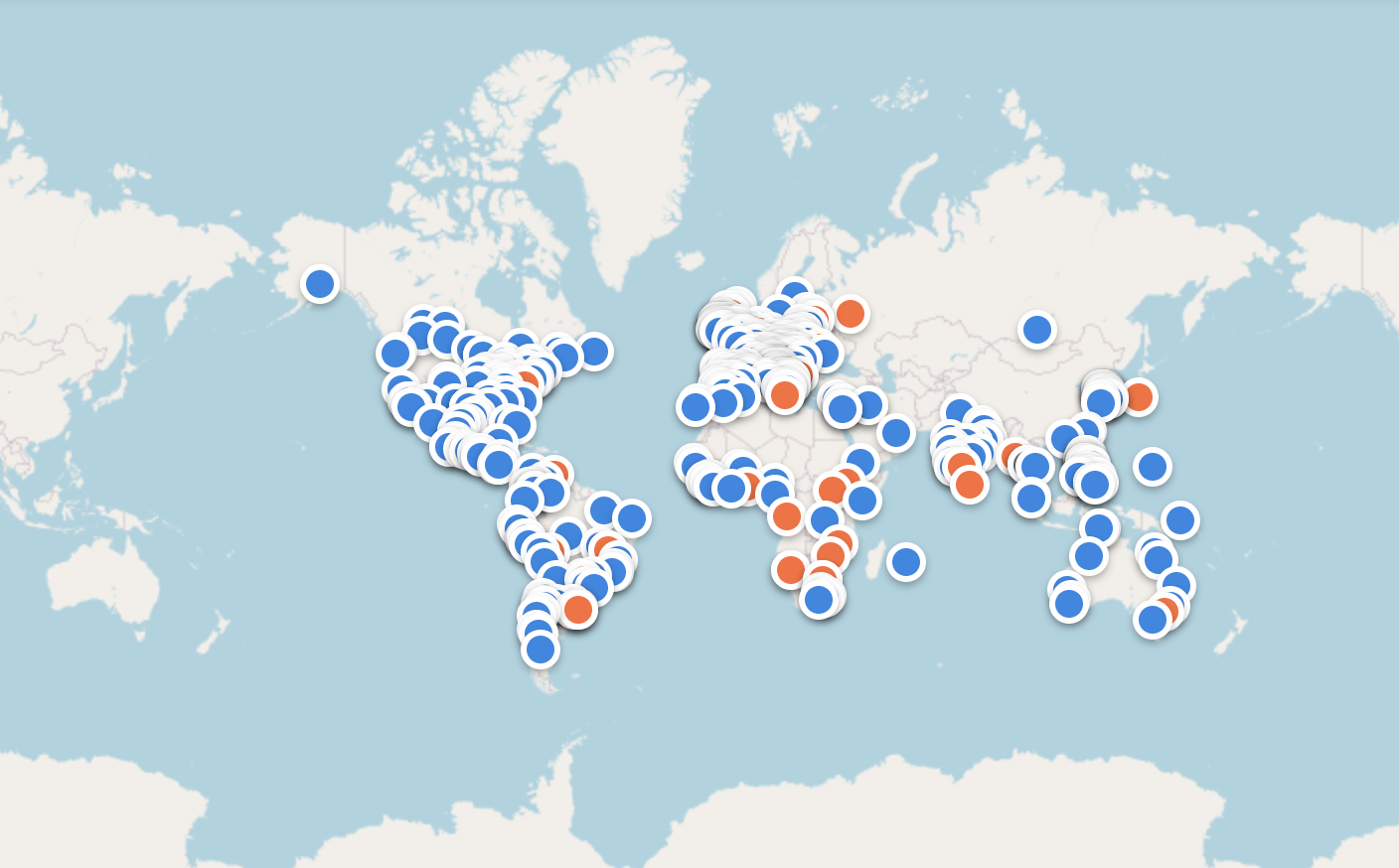
Recommended Resource: The Vatican Secretariat of the Synod are compiling a map of Synodality around the world, as seen on their website.
Recommended Resource: Sr Nathalie Becquart xmcj has shared an interim ‘global mapping’ document of synodality so far around the world, including SfS, published June 2025
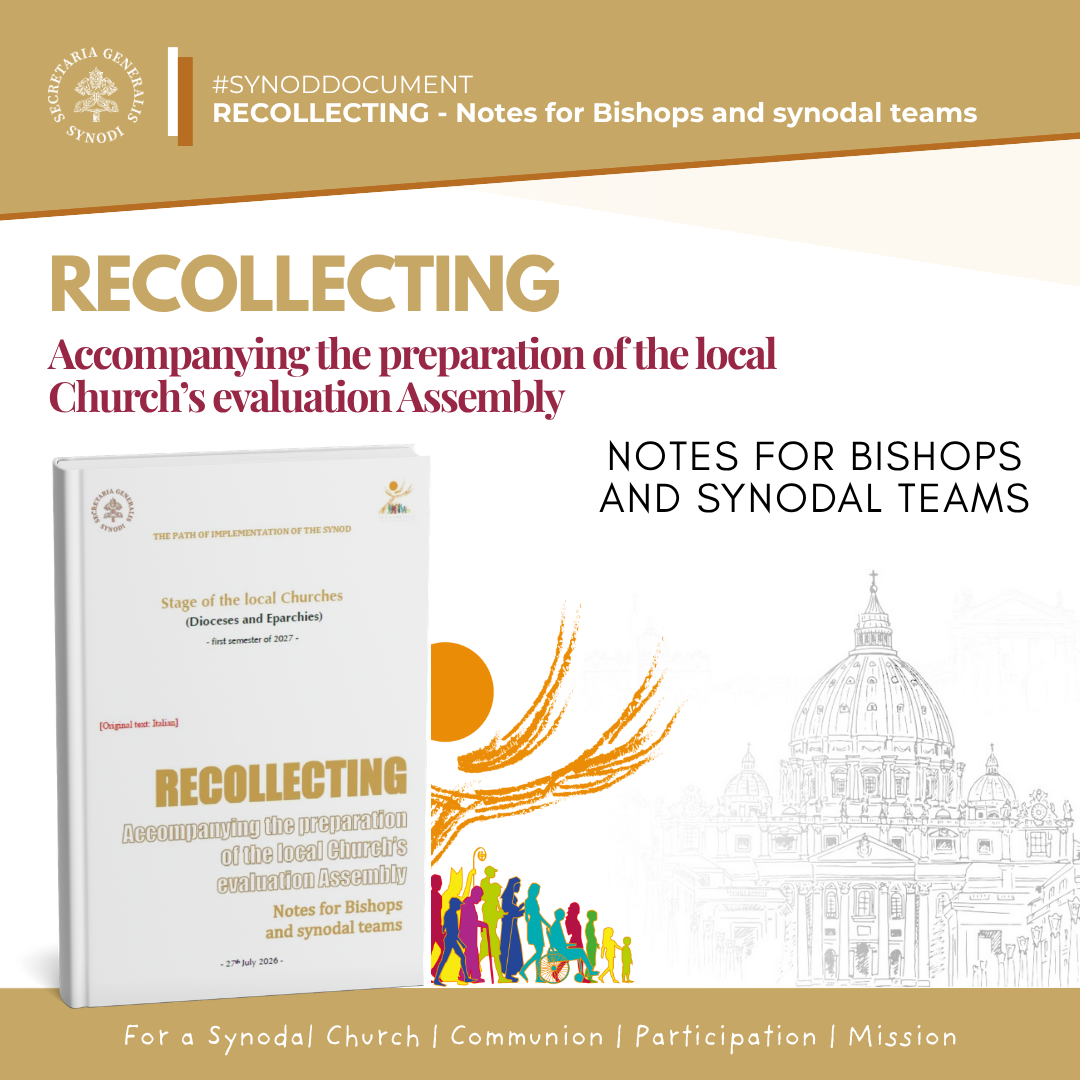
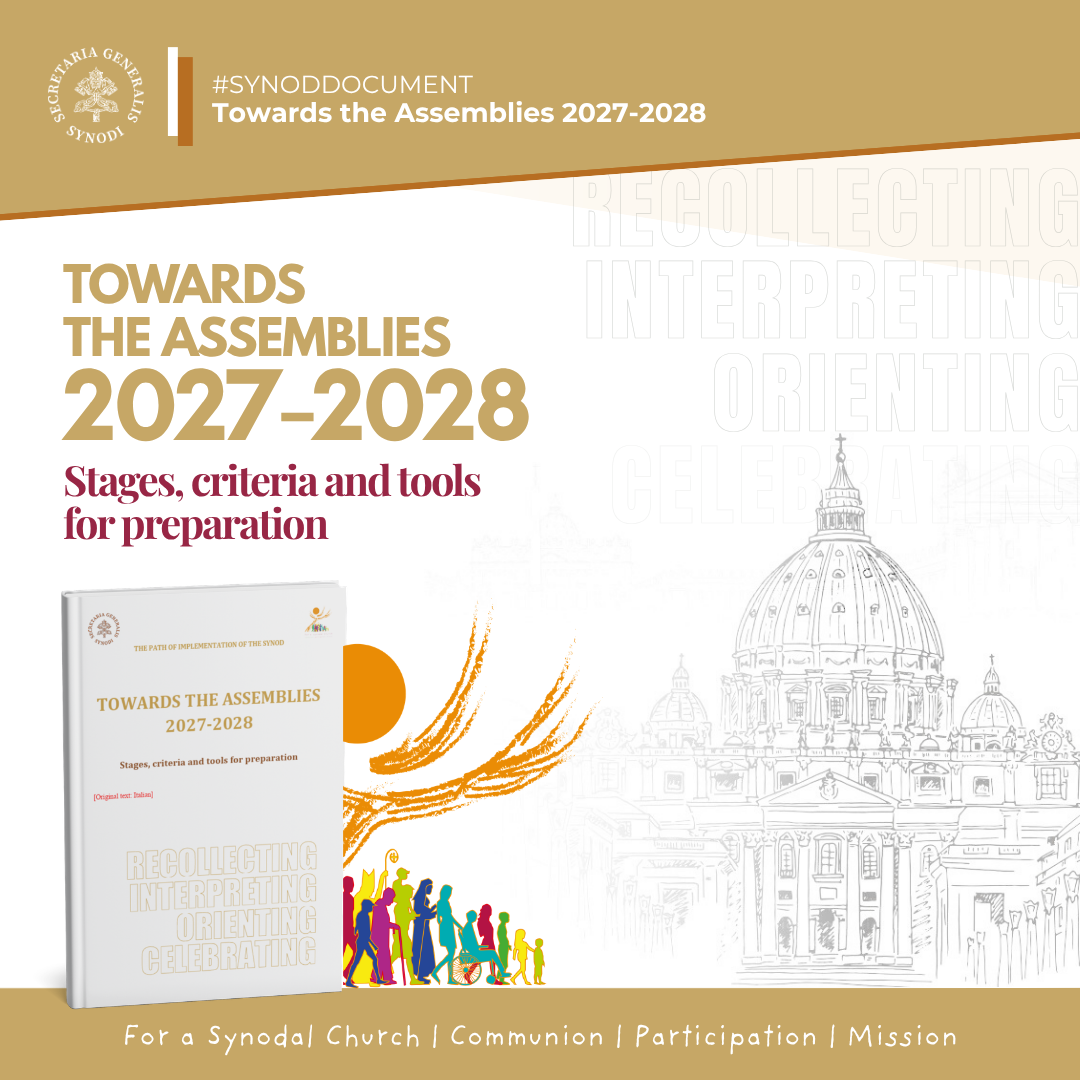
Recommended Resource: Resources relating to the implementation phase of the Final Synod Document.
Recommended Resource: The Final Document of the XVI Assembly is now available to view in various languages, along with an accompanying note from Pope Francis.
Our Resource: The School for Synodality’s Book Club explores key aspects of the Final Document with key guest speakers, taking us through chapter by chapter.
Recommended Resource:The Diocese of Westminster has put together a collection of key quotes from the Final Document: “An Informal Reaping of the Fruits”
This book offers a primer on the theological and historical origins of synodality, while offering concrete suggestions for the attitudes, structures and practices of personal and communal conversion required
Our Resource: This toolkit for pastoral councils from the School for Synodality is designed to foster faith-filled communities, more engaged participation, and a renewed openness to mission.
Our Resource: These videos are from our 'Pastoral Council Starter Toolkit', a free resource you can download from our website, along with many other resources, events and programmes about synodality.
Our Resource: Learn about our online series of workshops with practical application on hosting Conversations in the Spirit in your own contexts.
Our Resource: All of our ‘Conversations in the Spirit’ practical resources, including prayers, meeting prompts and methods.
Recommended Resource: Avril reflects on her Synod experiences for the Northampton Diocese in these two interviews - one with Austen Ivereigh, the other with a NBCW representative.
Our Resource: A framework for thinking these new synodal processes and habits. Drawing on the Council of Jerusalem. It can be applied to any group making decisions or discerning the future.